

Shorted Turn Theory - topics covering shorted turn detection theory
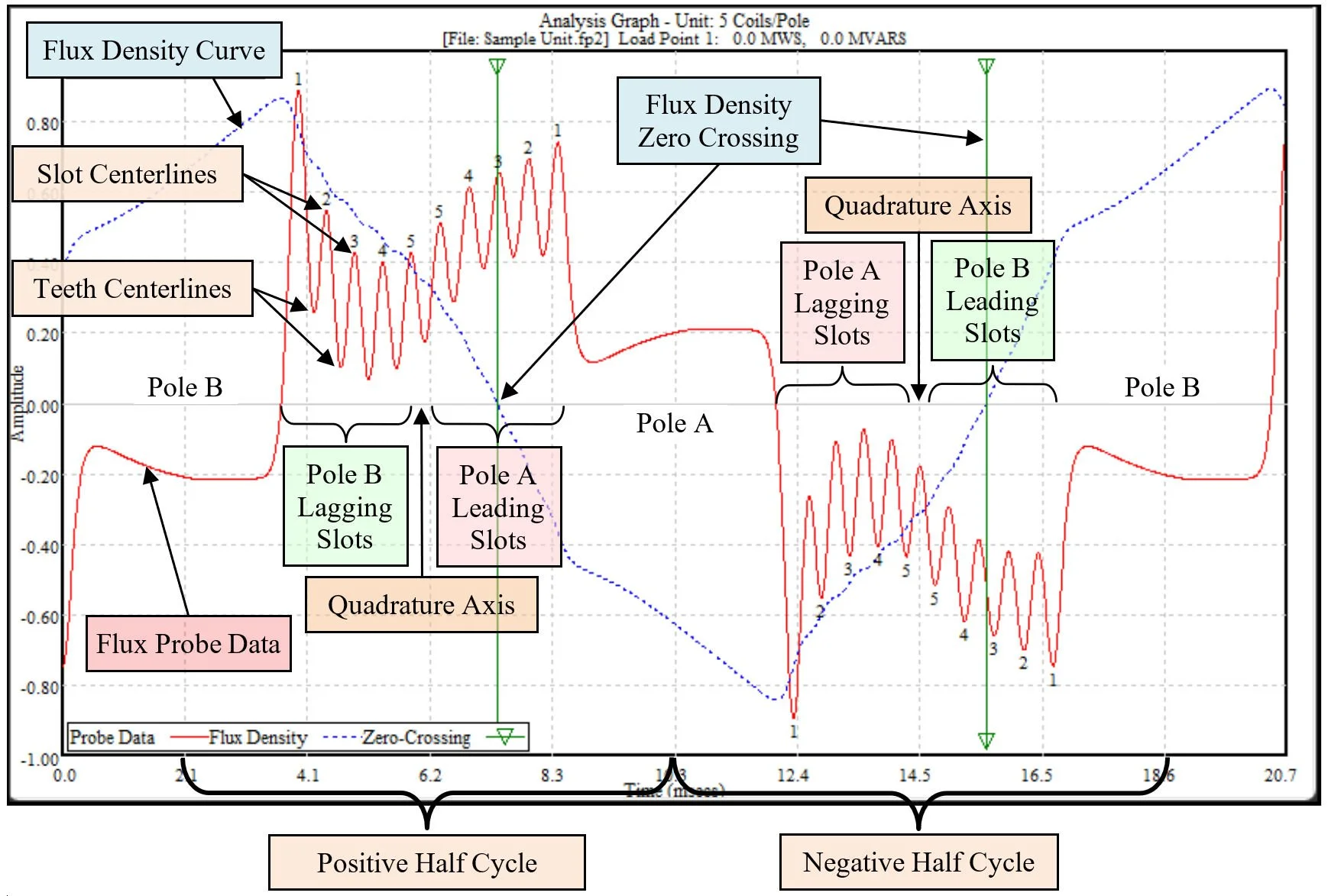
Overview of Shorted Turn Theory & Flux Probe Testing
A flux probe test determines the existence of rotor winding shorted turns by measuring the magnetic flux produced by each coil in a generator's rotor.
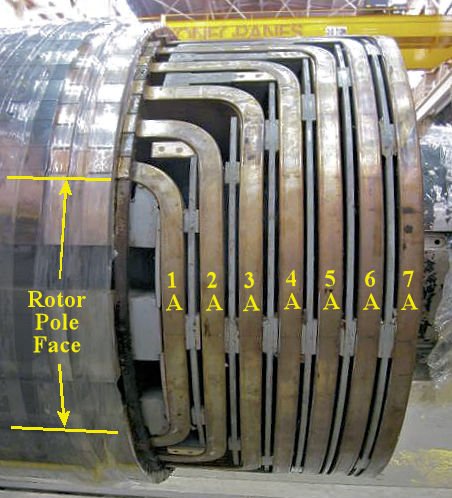
Rotor Winding Description and Types of Turn Shorts
The rotor windings used in 2- and 4-pole round rotors are described and the types of shorts that can affect those windings are discussed.

The Data Acquisition & Analysis Program
Generatortech's Acquisition and Analysis Program has been designed to quickly and easily acquire and save data from flux probes.
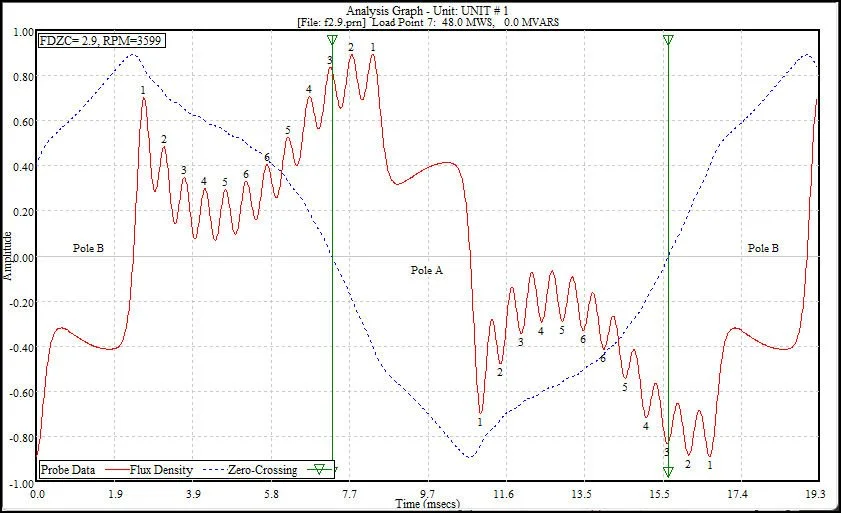
Need for Recording a Wide Range of Loads
The indications seen for both true turn shorts and false turn shorts vary with the load on the generator. Recording over a wide range of loads is necessary to insure that all true shorts are detected and that no false turn short indications are reported.
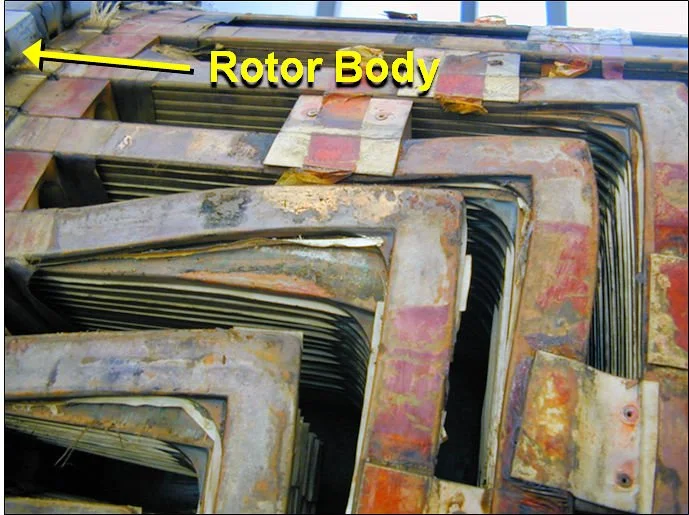
Causes of Shorted Turns
Turn-to-turn movement is the most common cause of turn shorts in a rotor winding. High numbers of Stop-Start cycles, line disturbances, over-speed events, contamination, manufacturer error, and damage during retaining ring installation are some of the reasons insulation fails.

Effects of Running with Turn Shorts
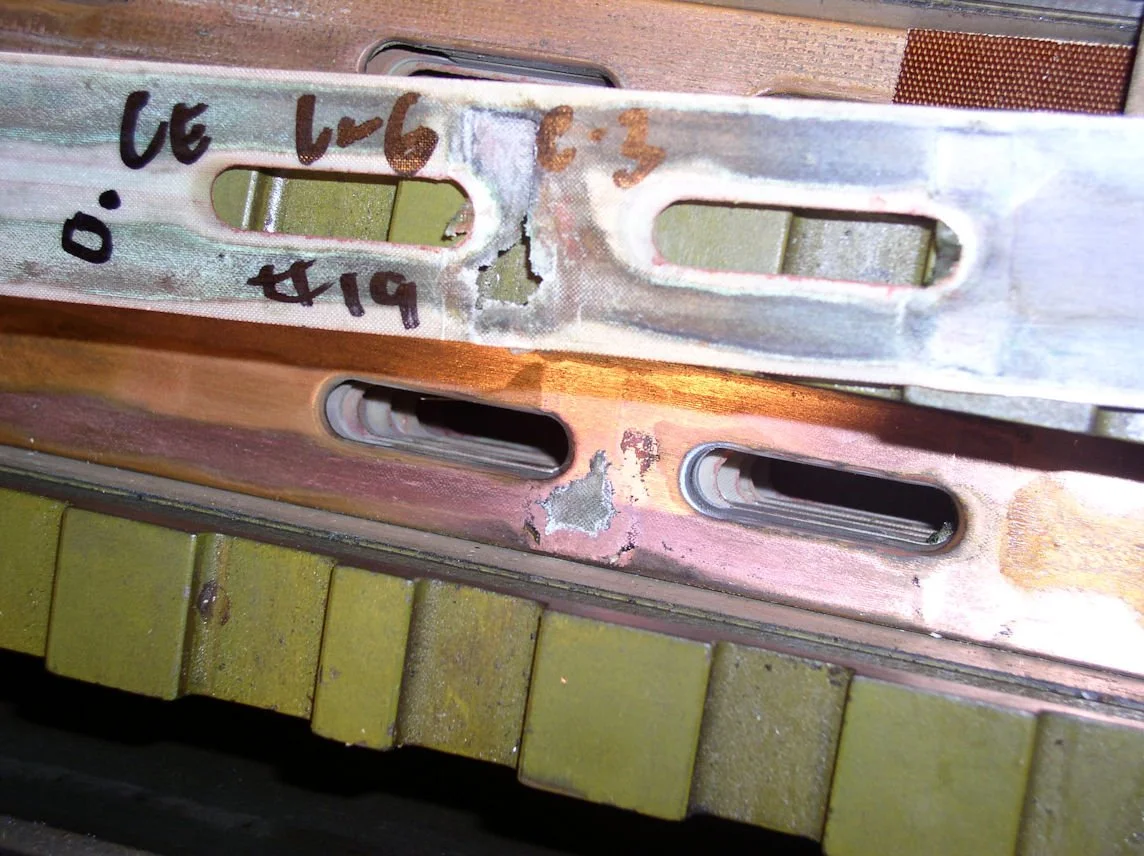
Shorted-turns in the field winding can cause operating conditions which may limit unit loads. If conditions are extreme, forced outages may occur.
Benefits of Testing Online and in High-Speed Balance Pits
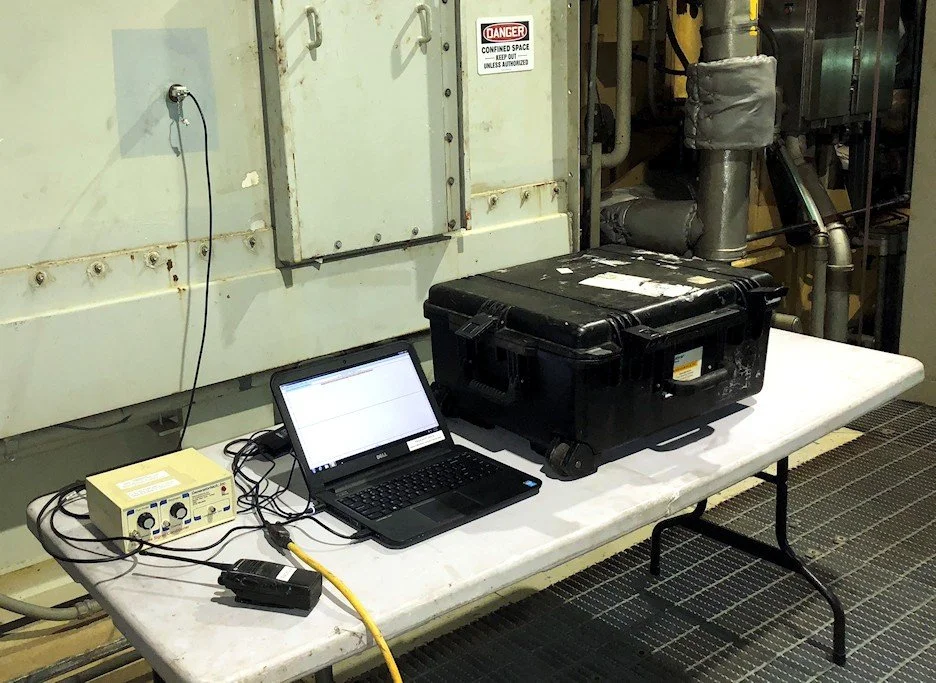
Generatortech flux probe testing is normally done while a generator is on-line with the unit at rated speed and temperature. Testing at stand-still will miss speed- and temperature-dependent shorts. Flux probe testing in high-speed balancing bunkers provides the best test after rewinds and repairs to insure a short-free winding.
Technical Considerations
Generatortech estimates 50% of the rotors in operation may have one or more shorted turns. Periodically monitoring for shorted turns will help establish whether new turn shorts are developing and when corrective action should be taken.
Rapidly Increasing Magnetization (RIM) Waveforms
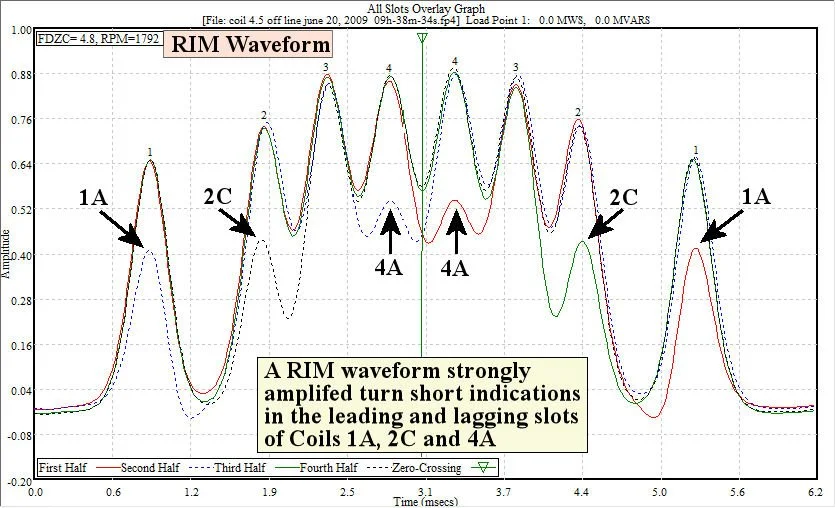
Rapidly Increasing Magnetization (RIM) waveforms are off-line waveforms recorded as the rotor field is initially excited. Turn short indications are strongly amplified in both the leading and lagging coil slots.
Setting Up a Shorted-Turn Condition Monitoring Program
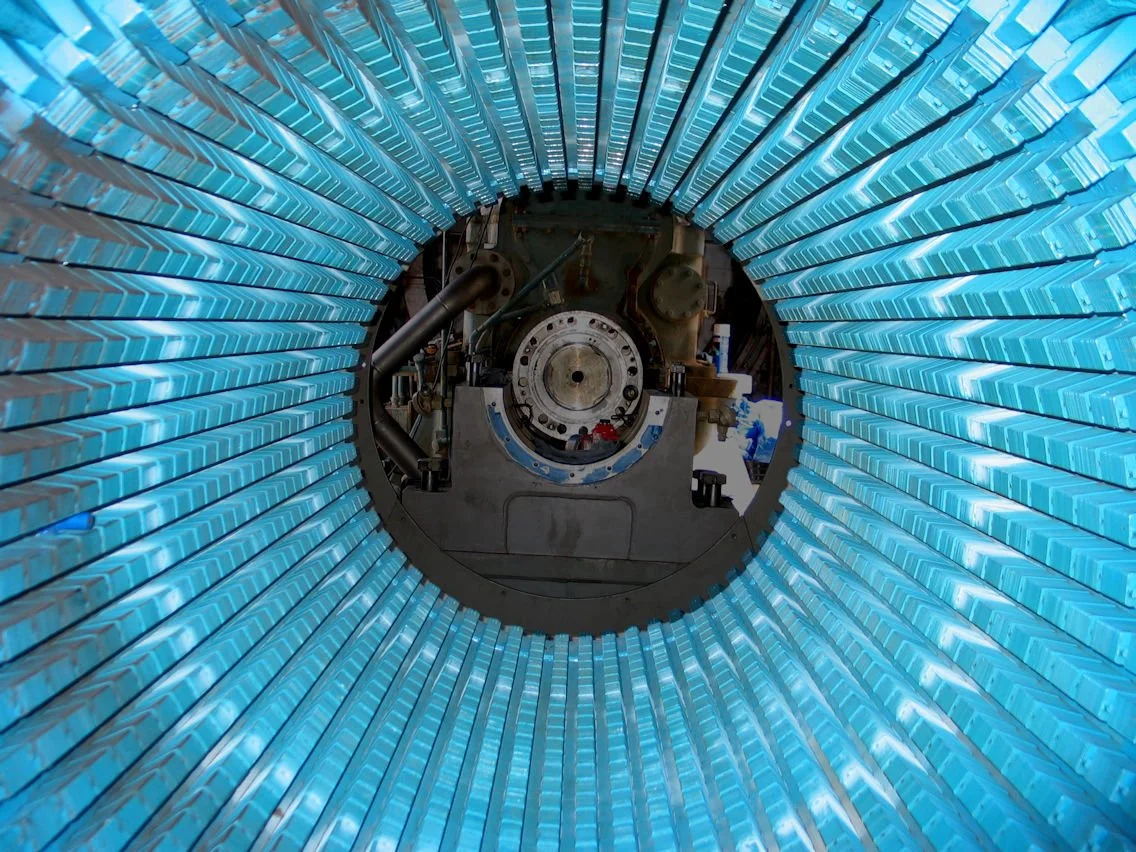
Permanently installed flux probes are normally installed during a major outage after the rotor has been pulled from the stator core. Temporary flux probes can be used in some units without pulling the rotor.
Case Studies
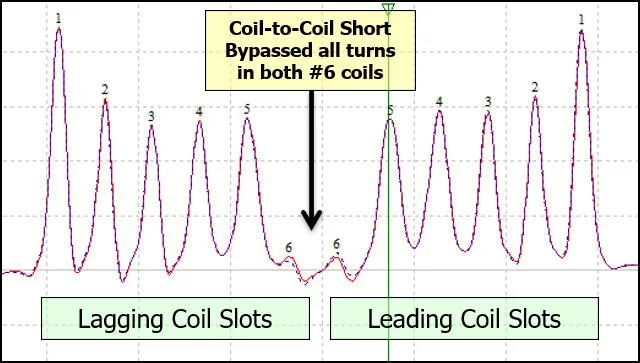
Since 1989, thousands of Generatortech flux probes have been installed in generators worldwide. We have a large and growing database of test data on these units. A few case studies are presented in this section.